The Ultimate Runner Rug Styling Guide: How to Use Runners in Every Room
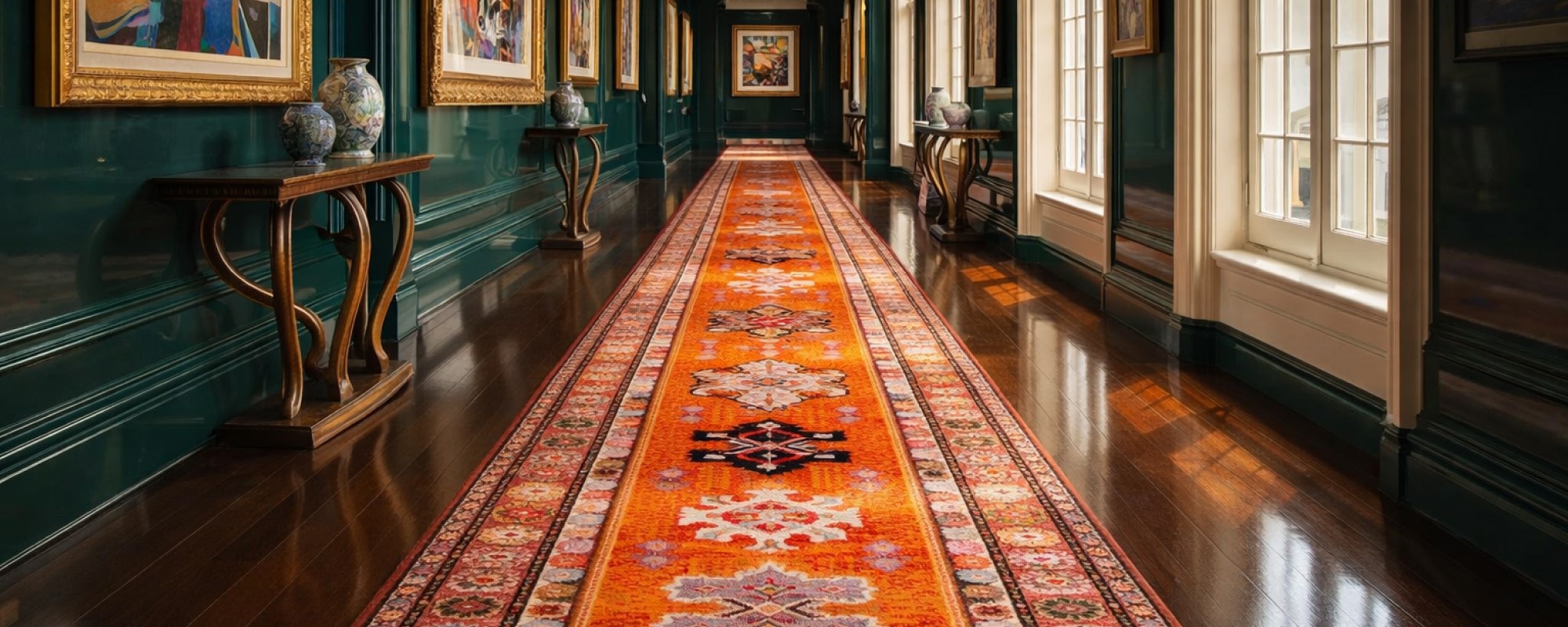
Think runner rugs are just for long hallways? Think again. We’re breaking down how to use these narrow rugs to make your home feel way more cozy and put-together. From picking the right size for your kitchen to choosing between tough wool or soft silk, here is everything you need to know about styling a home runner like a pro.
Let’s be honest: some spots in a home are just awkward to decorate. You have that long, narrow hallway that feels more like a tunnel than a room, or that galley kitchen with beautiful cabinets but a cold, bare floor. This is where runner rugs come in.
A home runner is basically a design cheat code. It’s a long, narrow rug that adds colour and comfort to the places where a standard area rug just won’t fit. If you’re an interior decor lover looking for fresh hallway decor ideas or want to know where to put a runner rug for the most impact, you’re in the right place. We’re diving into everything from placement rules to picking the right materials like wool rugs or silk blends.
First Things First: What is a Runner Rug?
Before we get into the “how-to,” let’s clear up a few common questions.
Runner Rug Meaning & Purpose
The runner rug meaning is pretty simple: it’s a rug designed for movement. While a big area rug is meant for sitting and staying, a runner is for walking. It creates a path. You might also hear people ask, what is a runner mat? Usually, a mat is a shorter, more functional version (like something you’d put right at the kitchen sink), whereas a runner is longer and more decorative.

What is the Difference Between Runner and A Rug?
The main difference between runner and rug styles is the shape. A standard rug is usually rectangular or square and meant to anchor a whole room. A runner is elongated, making it the perfect tool for guiding the eye through a space. It’s about flow, not just coverage.
Where to Put Runner Rugs: 7 Spots You Haven’t Thought Of
When people think about where to use runners, they usually stop at the front door. But your home has so many other “hidden” spots that are perfect for a home runner.
The Grand Hallway and Gallery
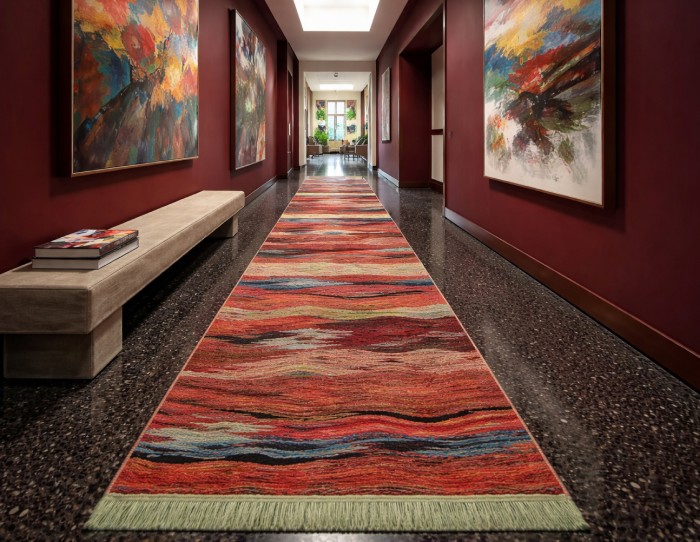
This is the classic choice. If you have a long corridor, a runner is a must. It keeps the space from feeling like a bowling alley. For a high-end look, try afghan wool rugs; they have a weight and history that make a simple hallway feel like a curated gallery.
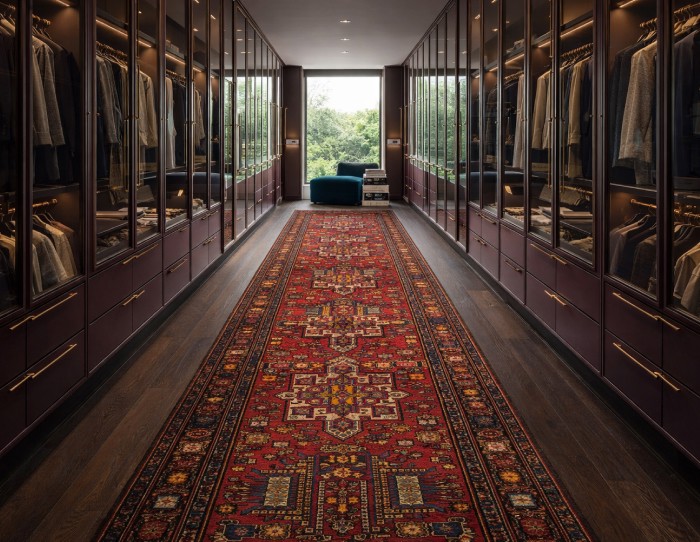
Walk-In Closets
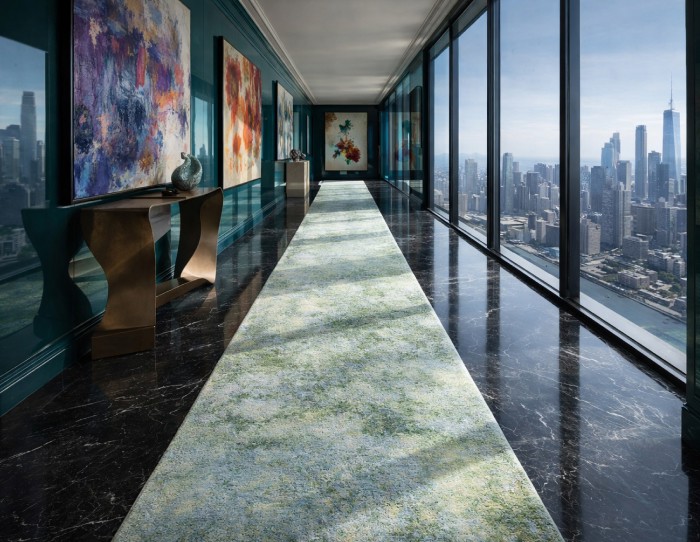
If you’re lucky enough to have a long walk-in closet, a runner adds a serious touch of luxury. It makes getting dressed feel like a high-end shopping experience. A wool and bamboo silk rugs option works beautifully here; it’s incredibly soft on bare feet but has a subtle shimmer that catches the light.
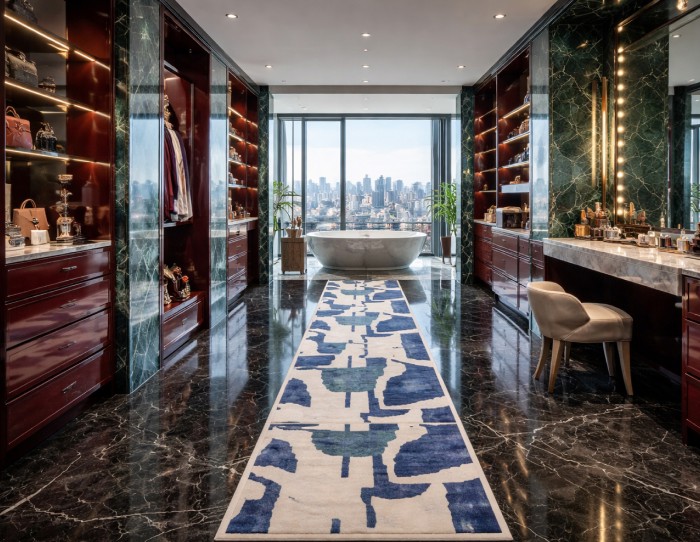
Master Bathrooms and Spas
Forget the tiny, mismatched bath mats. A single, long runner placed in front of a double vanity or leading up to a soaking tub makes a bathroom look huge. It ties the whole room together and keeps your feet off the cold tile.
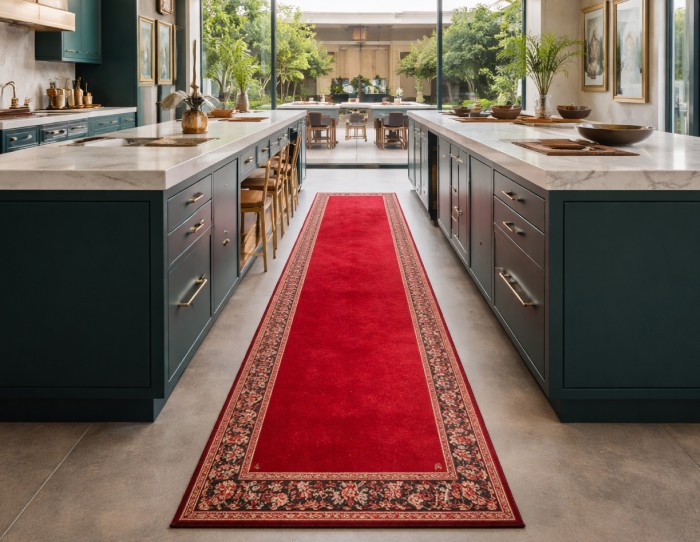
Kitchen Aisles and Galleys
A kitchen home runner is a lifesaver for your back. Standing on a hard floor while meal-prepping is tiring. A runner provides a bit of “squish.” Plus, it’s a great way to add a pop of colour to a room that’s usually full of neutral cabinets and appliances.
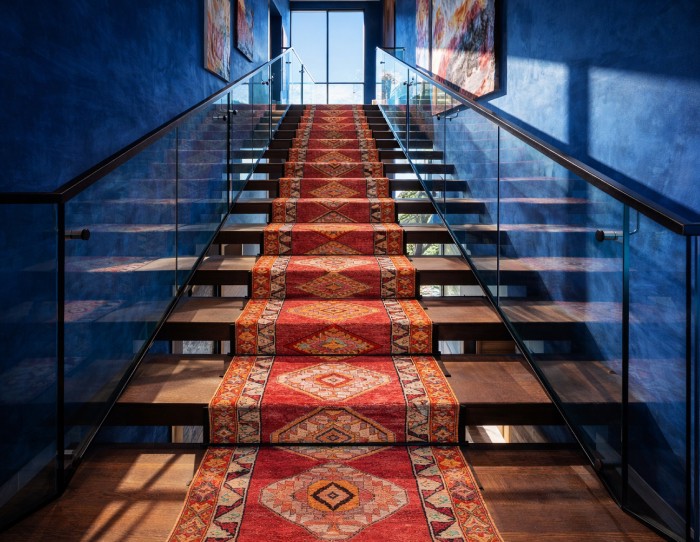
Stairs and Landings
Using a runner on stairs isn’t just about looks; it’s about safety. It adds grip and quietens the sound of footsteps. Look for something durable, like wool rugs or a tight flatweave that won’t show wear and tear easily.
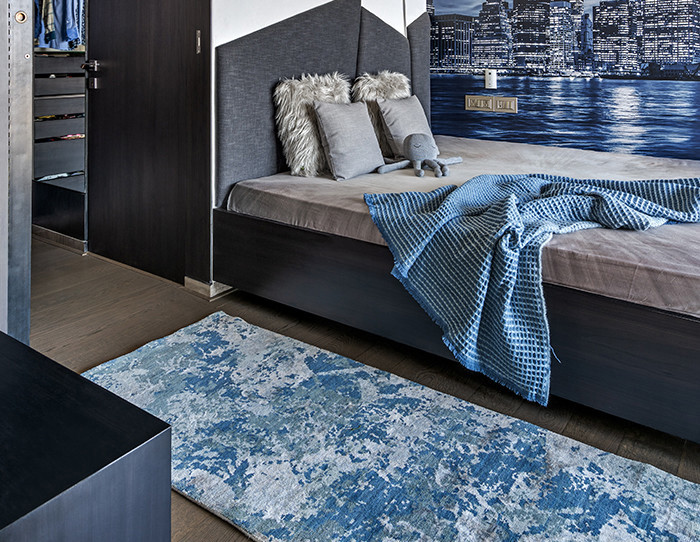
The Side of the Bed
Instead of one giant rug that’s mostly hidden under the bed, try a runner on each side. It gives you a soft place to land every morning without the heavy price tag of a 9x12 rug.
Modern Living Room Zones
You can definitely use a runner rug in living room setups. They are perfect for defining a “walking path” behind a sofa or along a wall of windows. A runner carpet for living room helps protect the floor in the areas where people walk the most.

How to Nail Runner Rug Placement?
Knowing where to put runner rugs is step one. Step two is getting the placement right so it doesn’t look like an accident.
-
The Floor Border: Never push your runner right up against the wall. You want to see about 4 to 6 inches of your actual floor on every side. This “frames” the rug, making the room look bigger.
-
Centring is Key: In a narrow space like a hallway or closet, keep the rug perfectly centred. If you’re using a runner for a home office or kitchen, align it with the main feature, such as a desk or the sink.
-
Don’t Go Too Short: This is the biggest mistake people make. A runner that’s too short looks like a floating island. When in doubt, go longer. It’s better to have a runner that covers the whole length of a hall than one that stops awkwardly in the middle.
Choosing the Best Materials for Your Lifestyle
Since runners go in high-traffic areas, you need to pick a material that can withstand some wear.
-
Wool Rugs: These are the gold standard for a reason. Wool is tough, it bounces back after being stepped on, and it’s naturally stain-resistant.
-
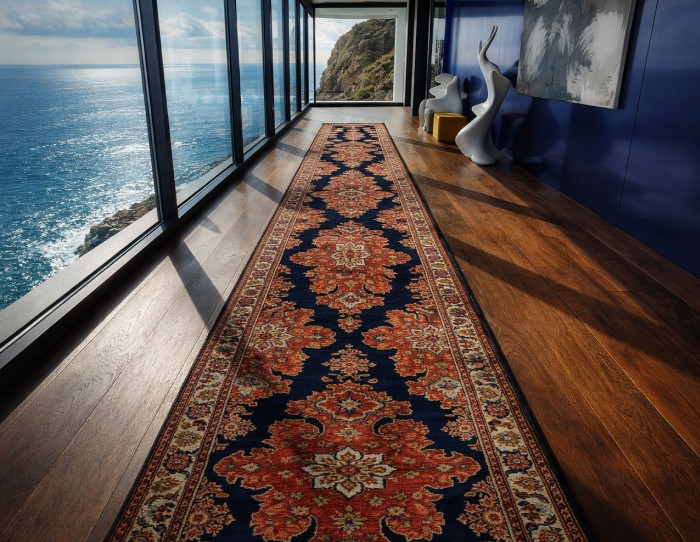
Wool and Viscose Rugs: If you want a silk-like shine but need something a bit more affordable, wool and viscose rugs are a great middle ground. They look stunning in bedrooms or formal hallways.
-
Jute and Hemp Rugs: For a more natural, earthy vibe, hemp and jute rugs are incredibly durable. They’re great for entryways where people might be wearing shoes.
-
Cotton Rugs: These are usually lighter and more casual. They’re a great choice for kitchens because they are often easier to spot-clean.
Common Questions: What is Runner Rug Maintenance Like?
A common concern when buying at home runner rugs is how to keep them looking new. Because these rugs are in the “line of fire” for dirt and foot traffic, they require a specific care routine.
-
Vacuuming: Vacuum your runner at least twice a week. If it is a flatweave, use the floor setting rather than the brush roll to avoid fraying the edges.
-
The Rug Pad: This is the most important “hidden” part of where to place runner rugs. A high-quality rug pad prevents the runner from sliding (a major safety hazard) and provides an extra layer of cushioning, protecting the rug’s fibres from the hard floor beneath.
-
Rotation: Every six months, flip your runner 180 degrees. This ensures that the “walk patterns” wear down evenly on both ends.